
Virginia Beach Housing Market: November 2026 Buyer & Seller Guide
By DJ Parker, Virginia real estate agent with Wainwright Real Estate
Trying to decide whether to buy or sell in Virginia Beach? Start with the homes that fit your style and needs, then use market numbers and area information to put those choices in context. A regional headline can help you ask better questions, but it cannot tell you what a particular house is worth or what your monthly payment will be.
This Virginia Beach housing market guide combines the latest October 2026 regional snapshot with a practical way to compare homes, prepare a listing and plan a move. My goal with this article, is to help you make a decision you can live with, without betting on next year’s prices or mortgage rates.
Updated November 13, 2026. Market data: October 2026, from REIN’s November 10 release. Regional statistics below are not Virginia Beach city-only figures.

In this guide: market snapshot · compare homes · buyer checklist · seller preparation · local checks · common questions
What This Virginia Beach Housing Market Update Can Tell You
The current REIN release provides the Hampton Roads regional picture, but not a Virginia Beach city-only median. Do not use the regional $370,180 median below as the typical price of a Virginia Beach home. You can reach out to me and my team directly, to get further information on the exact areas your looking for.
In case you forgot the math we learned in grade school, here is a refresher: the median is the middle sale price in a group of completed sales. It can change when the mix of homes sold changes. It does not mean every home gained the same percentage, and it is not a price recommendation for your property.
October 2026 Hampton Roads Market Snapshot
| Measure | Reported figure |
|---|---|
| Active residential listings | 6,603 |
| Pending sales | 1,704 |
| Settled sales | 1,899 |
| Median sale price | $370,180 |
| Months of inventory | 3.11 |
| Median days on market | 37 days |

Source: REIN, November 10, 2026. Active listings were up 18.5% from October 2025; median marketing time increased from 30 to 37 days. This is a good sign for buyers, as it signals housing might be staying on the market longer, and therefore deals might be easier to come by. Again, these figures describe the region as a whole and aren’t specific for Virginia Beach. They do not establish the competition for your price range, property type or neighborhood. You will need to consult a Real estate Agent, to get more specific info and guidance.
My practical takeaway: compare the actual alternatives before assuming you must rush or can negotiate a large discount. A home that fits a specific need can face different competition from a property that needs substantial work.
Compare The Kind Of Home You Would Actually Buy
Price isn’t everything in a house. Before deciding whether a price is reasonable, you need to build a short comparison sheet amongst your options. There are several different features and styles I think you should look at when comparing properties. While it may sound silly, if applicable, I would keep detached homes, townhomes and condos in separate groups where possible. Then narrow your list down by location, size, condition and the features you would actually use. A garage, a first-floor bedroom or a manageable yard may matter more to your decision than an attractive citywide average. I know for me the yard and distance between my neighbors, is what is important to me. You might have a completely different set of non-negotiables than me.
Three Different Search Examples, Three Different Sets Of Questions
- A condo near the Oceanfront: Look at the unit and the association together. Review dues(they can get pricey), what the master policy covers, maintenance responsibilities, reserves and any disclosed or proposed assessments. Confirm parking and any use restrictions that matter to you.
- A detached home in an established inland neighborhood: Compare layout, lot, renovation quality and major systems. A remodeled kitchen does not answer questions about the roof, HVAC or drainage.
- A property with more land: Ask how much of the parcel is usable for your plans, what maintenance it requires and which utilities serve it. Does it have a septic system? Check the actual trip to work and everyday errands before treating extra acreage as an automatic advantage.
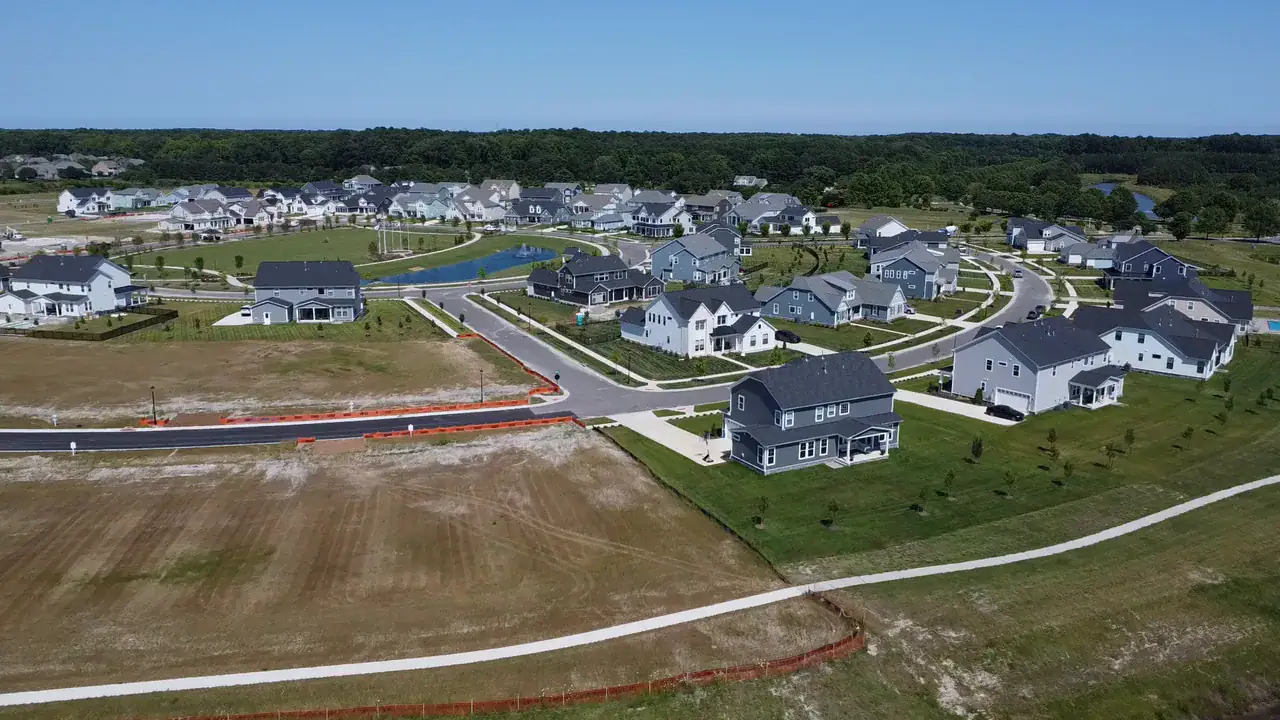
Write down the tradeoff you are accepting with each choice. Would you rather spend more for the location, take on maintenance for extra space, or choose a smaller home to keep the monthly budget comfortable? There is no single best answer for every buyer.
As you compare homes for sale in Hampton Roads, save a few realistic alternatives rather than judging one listing in isolation. My team and I can help you weigh those tradeoffs against your budget and the way you actually live.
What Buyers Should Compare Before Making An Offer
Once you have a shortlist from your Hampton Roads home search, turn the comparison into an offer plan: what supports the price, which concerns need investigation and which terms fit your move?
Working with a local real estate agent means having someone help you evaluate comparable sales, ask property-specific questions and keep track of the steps between an offer and closing. Reach out to me and my team before you are ready to write an offer so we can build that plan together.
- Separate asking prices from sold prices. Active listings show your alternatives; recent closed sales help you evaluate whether an asking price is supported.
- Check the condition, layout and major systems. A lower asking price can leave room for repairs, but it is only useful if you understand the work and have a realistic budget.
- Look at the listing history and competing homes before deciding what to request. Inspection terms, seller credits and timing are points to discuss, not concessions you should assume will be available.
- Test the commute at the hours you would travel. I CANT STRESS THIS ENOUGH! Include your actual destination, whether that is a workplace, installation, campus or another part of Hampton Roads.
Before you commit, ask your lender for a payment estimate tied to the property and loan you are considering. My team and I work with some great lenders that would be happy to help you out with this process! The Consumer Financial Protection Bureau’s Loan Estimate guide recommends comparing the full payment, lender charges, credits and cash needed at closing, not just the interest rate. A lower estimate for taxes or insurance does not automatically make a loan less expensive.
Add expenses outside the quoted mortgage payment to your own budget, including any association dues, utilities, maintenance and the cost of moving. Leave room for repairs after closing. A purchase should fit without depending on a future refinance or a predicted increase in the home’s value.
For a fuller household budget, use my Virginia Beach cost-of-living guide. Keep the lender’s estimate alongside your own spending plan, so you can see what is included and what still needs to be added.

Moving To Hampton Roads Virginia?
Our team talks to so many people thinking about moving to Hampton Roads Virginia just like you and we absolutely love it! Click the button below or go ahead and shoot us a text by tapping this number: (757)-520-2092
Use A Property-By-Property Cost Checklist
For each serious contender, record the purchase price, down payment, estimated cash to close and total monthly housing cost on one page. Use the same assumptions across homes; otherwise a comparison can look better simply because one estimate left something out.
- Already in the lender’s payment? Confirm whether taxes, homeowners insurance and mortgage insurance are included. Do not add escrowed amounts twice.
- Outside the payment? Add association dues, separate flood coverage where applicable, utilities and recurring services.
- First-year work? Separate immediate repairs from upgrades you can postpone. Get professional estimates for material concerns.
- Cash left afterward? Allow for moving, overlapping housing costs and a reserve for the unexpected.
Here is a simple hypothetical comparison: Home A has a $2,700 quoted monthly payment and $350 in additional recurring housing costs. Home B has a $2,850 payment and $150 in additional costs. The totals are $3,050 and $3,000 before any expenses omitted from both estimates. The lower mortgage payment does not necessarily produce the lower overall cost. These are invented budget examples, not current Virginia Beach prices or lender quotes.
What Sellers Should Review Before Setting A Price
Start with recent sales of similar homes, then look closely at the properties buyers can choose instead of yours. Separate completed sales from ambitious asking prices. Size, condition, location, lot characteristics and association obligations all belong in that comparison.
My team and I can help you compare those competing listings, review recent sales and decide which preparation priorities fit your home and timeline. If you are considering selling, let’s talk through a pricing and marketing plan instead of relying on a regional median alone.
Prepare for the questions buyers are likely to ask. Gather available maintenance records, permits for improvements, association information and details about major repairs. Decide which repairs are worth addressing before listing and which are better reflected in the asking price.
Once the home is listed, review showing activity, feedback and new competition with your agent. Agree in advance on what evidence would justify a change in price or presentation. If you are buying another home as well, plan for both transactions, including the possibility that their timelines will not line up perfectly.
Compare The Net Result, Not Just The Offer Price
Ask for a seller net estimate that includes the mortgage payoff, transaction expenses and any proposed credit or repair contribution. Keep financing, contingencies and closing timing beside the financial comparison. A larger offer is not automatically the best fit if its terms create a problem for your move.
For example, a hypothetical $450,000 offer with a $10,000 seller credit starts at $440,000 before your other costs. An otherwise comparable $445,000 offer with no credit starts $5,000 higher on that narrow comparison. This is arithmetic, not a recommendation to accept either offer; the remaining terms still need review.
Check Flood Exposure And Ownership Costs By Address
In Virginia Beach, make the insurance conversation part of your property comparison. Ask about flood history, prior repairs and the coverage available to you as a new owner. Get address-specific quotes rather than relying on the seller’s premium or a general online estimate. The CFPB’s homebuyer risk checklist is a useful place to start.
Most homeowners policies do not cover flood damage, according to the National Flood Insurance Program. Ask an insurance professional about separate flood coverage, deductibles, exclusions and any lender requirements. For a condo or association property, also review what the association covers and what remains your responsibility.

Also review the City’s AICUZ information for aircraft noise and accident-potential zones. Visit the specific home at different times, and discuss applicable disclosures with your agent. A quiet showing does not tell you what every day will sound like.
Plan The Search Around Your Actual Move
If you are relocating, start with your exact workplace or military reporting location. Build showing routes around it, and reserve time to drive at the hours you would normally commute. Include groceries, medical appointments and other trips you repeat. Avoid filling the whole visit with back-to-back showings and leaving no time to experience the area.

My Virginia Beach relocation guide covers the broader move, and my Navy base guide can help you begin with the right destination. For military orders or a short stay, discuss your timeline with your lender and agent before assuming buying is the right choice.
Watch: Five Things To Consider Before Moving
In my video below, I walk through commute, jet noise, beach access, total housing costs and everyday lifestyle. Use it alongside this market snapshot; it is a moving checklist, not a current pricing report.
Renting And Housing Assistance Deserve A Separate Check
If you are comparing renting with buying, build both budgets from current options you could actually choose. For a rental, include required fees, parking, utilities, deposits and the lease term. For a purchase, include cash needed upfront and ongoing ownership costs. Consider how long you expect to stay and how much flexibility you need. A single citywide rent average will not tell you which option fits your situation.
For broader affordability context, Virginia Beach’s housing study was completed in January 2024. It is useful background on the city’s housing needs and planning, not a current monthly market report.
For rental assistance, use the city’s Housing Choice Voucher waiting list information and confirm current availability directly with Housing and Neighborhood Preservation. An older announcement about grants or an application opening should not be treated as an offer of assistance today. Eligibility, funding and application timing need to be checked for the specific program.
Virginia Beach Housing Market Questions
Should I Wait For Prices Or Rates To Fall?
Start with what you can afford now, how long you expect to stay and how flexible your move is. Build a plan that works without needing a refinance or appreciation. If the payment stretches the budget or the timing is uncertain, compare renting and waiting with buying rather than forcing a decision from a forecast.
Does A Longer Time On Market Mean A Seller Will Accept Less?
It is a reason to investigate, not a guarantee. Review price changes, condition, competing choices and the seller’s stated timing with your agent. Decide what terms would make the home work for you, then evaluate the response rather than assuming a regional statistic tells you the seller’s position.
How Do I Find Out What My Home Could Sell For?
Use a property-specific comparison of recent closed sales and current competition, with adjustments for condition and meaningful differences. An online estimate or regional median can be a starting point for questions, but it is not a substitute for reviewing your home and the alternatives buyers have.
What Should I Do First This Week?
Buying: set a comfortable all-in payment, confirm your financing and identify your three non-negotiable property needs. Selling: gather your payoff and property records, identify your move timeline and request a comparison of relevant homes. Either way, a clear next step is more useful than trying to predict the perfect month.
What To Watch In The Next Market Update
For the next update, look at inventory, new contracts, completed sales and marketing time together. Keep city data separate from regional data, and compare the same property types and reporting periods. One month is a snapshot; several comparable months provide more context.
Your own decision can be more specific than a forecast. Buyers can ask whether the payment and cash requirements work now. Sellers can ask whether their price is competitive with the homes buyers are touring now. Neither decision needs a promise about where prices or mortgage rates will go.
Talk Through Your Virginia Beach Move
Ready to compare actual homes? Browse Hampton Roads homes for sale, then contact me with the area, property type and timeline you have in mind. Whether you are buying or selling in Virginia Beach, I can help you narrow the comparison and talk through the next steps.
DJ Parker | Virginia real estate agent | Wainwright Real Estate