
1. Test the commute you will actually make
A map can tell you where a house is. It cannot tell you how you will feel making that drive twice a day. Working at NAS Oceana, Naval Station Norfolk, Little Creek, or Town Center can lead to very different home searches, even when all the homes have a Virginia Beach address. The commute between all these areas can be completely different, especially when you consider the time and day.
In the video, I use Pungo as an example. You might love having more room and a rural setting. That can be a great fit for your priorities, but you still need to be comfortable with the trips you will make from that particular house. Pungo is not close to any major highways, so if you’re working outside of the city, you will need to factor that into your decision.

Drive the route at the right time
My biggest suggestion is to test the commute during the workweek. A Sunday afternoon drive is not a reliable preview of Monday morning. If possible, make both the morning trip and the afternoon return trip during the hours you would normally travel. I would also suggest you do the same thing with your neighborhood your considering. You want to see what each looks like during certain times.
-
- Use the exact work address. For a military move, confirm your reporting location and likely gate with your sponsor.
-
- Add the other trips you repeat: school drop-off, groceries, sports practices, medical appointments, and weekend activities.
-
- Look at alternate routes and any bridge or tunnel crossings your particular trip requires.
-
- You can also check current conditions and cameras through VDOT’s 511 traffic service while comparing routes.
If you cannot visit before moving, compare weekday travel estimates at several times and ask someone local to help you understand the route. An estimate is useful, but it is not a guaranteed travel time. My Virginia Beach Navy base guide can help you start with the right locations.
2. Experience jet noise before committing to a home
Jet noise is one of those subjects that comes up whenever people research Virginia Beach. Reading about it and hearing it while standing in a backyard are two different experiences.
I grew up in a military family, and have been around the area for over 30 years. To me it’s THE SOUND OF FREEDOM! Therefore, I don’t get to bothered by it, but that might not be the case for you. Someone who spends the workday on calls, sleeps during the day, or wants a quiet outdoor space may feel differently.
Start with the City’s Air Installation Compatible Use Zone (AICUZ) information and Map Center. AICUZ identifies aircraft noise and accident potential zones; those are related planning considerations, not interchangeable labels.
Then visit the actual property, preferably more than once and at different times. Spend time outside as well as inside. A quiet showing does not establish what every day will sound like, and a mapped zone does not predict the precise noise at every moment. Trust me, I have seen people make purchases and then feel completely different about a property once they realize the Jet Noise and it’s impacts.
Think about where you would put a home office, how much you use the yard, and how the sound feels to you. The goal is to understand the tradeoff before signing a lease or buying the home.
3. Decide which beach experience you want
When you say you want to live near the beach, what do you mean? Walking onto the sand every morning? Going after work several times a week? Or driving over occasionally for a weekend walk? Those answers can point you toward very different locations.
The Oceanfront, Shore Drive along the Chesapeake Bay, and Sandbridge offer different experiences. The City’s beach resources are a useful starting point for access, rules, and swimming advisories.
Oceanfront and the Boardwalk
If you want the Boardwalk, restaurants, and a busy beach atmosphere close at hand, explore the Oceanfront. Also think about the summer activity around the specific streets you are considering. Walk the route from the property to public beach access and check your parking arrangements, including what happens when guests visit.
My Virginia Beach Boardwalk guide covers parking and practical visit planning.

Shore Drive and the Chesapeake Bay
The Bay side is worth exploring if you prefer a different setting from the Oceanfront. Waves are often gentler, but that does not mean the water is always safe or free of strong currents. The National Weather Service’s current-safety guidance explains why swimmers need to understand local conditions, especially around inlets.
For a home near Shore Drive, verify the nearest public access point and the actual walking route. Being close to the water on a map does not automatically give you convenient beach access.
Sandbridge
My wife and I enjoy walking along the beach at Sandbridge. I like the quieter feel compared with the resort area. It has a different mix of homes and vacation properties, but it still attracts visitors, and your experience will depend on the season and location.

Plan the parking before you go. The City lists public lots on its Sandbridge parking page; check current options rather than assuming you can leave a car anywhere near the sand. I like parking down at the Back Bay park as it offers a shower and park as well.
You do not have to live directly by the beach to enjoy it. You do need to check the drive from your actual address, the time of day, and the parking involved. Travel time varies with your starting point, traffic, and the beach you choose.
4. Budget for the full cost of the home
A lender’s approval amount and a payment you can comfortably live with are not necessarily the same thing. You should still have room in the budget for everyday life, savings, and the unexpected after you move in.
This is one of the points I spend the most time on in the video because the advertised price is only the beginning. I have learned through my own home purchases how quickly the other costs can change the picture.
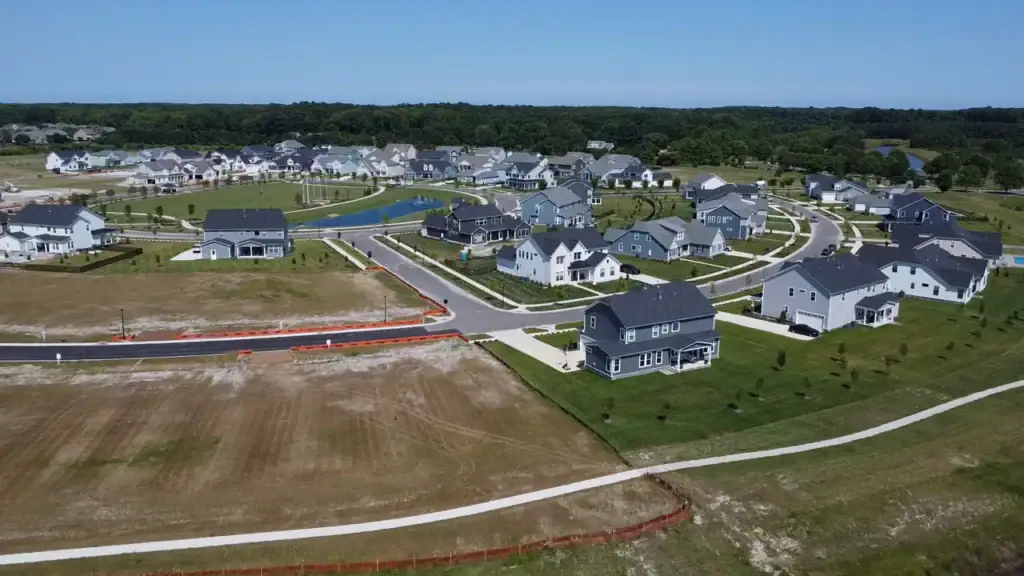
If you are buying
-
- Mortgage, taxes, and insurance: Ask what is already included in the lender’s monthly estimate so you do not count escrowed taxes and insurance twice.
-
- HOA or condo dues: Review what the fees cover, the rules, and any known or proposed special assessments.
-
- Utilities and transportation: Include energy, water, internet, fuel, parking, and any tolls your regular route involves.
-
- Maintenance and repairs: Keep room for both routine upkeep and larger replacements.
-
- Upfront expenses: Account for closing costs, moving, inspections, and any immediate work needed after purchase.
For property-specific assessment information, use the City’s Virginia Beach Property Search. Confirm the current tax calculation and insurance quotes for the actual home rather than assuming the seller’s costs will be yours.
Look closely at the roof, HVAC, and crawl space
A home that is 20 or 30 years old deserves questions beyond the paint and kitchen finishes. How old is the roof? Has the heating and cooling equipment been maintained? Are there records of repairs or replacements? A newer house still needs inspection and a maintenance budget, too.
If the property has a crawl space, have its condition evaluated, including moisture and drainage concerns. Foundation types vary, so inspect what is actually there. Ask the inspector which findings need specialist evaluation, and get estimates for significant concerns before relying on a repair allowance.
Coastal ownership also warrants a property-specific flood review. The City’s floodplain resources explain how to investigate risk. Most homeowners policies do not cover flood damage, according to FEMA’s National Flood Insurance Program. Ask your lender and insurance professional about requirements, coverage, deductibles, and costs for the address.
If you are renting
Compare more than the base rent. Ask which utilities are included, what deposits and recurring fees apply, whether parking costs extra, and what pet charges or maintenance responsibilities appear in the lease. A lower advertised rent can lose its advantage once you total the required charges.
For a broader look at the budget, read my Virginia Beach cost-of-living guide.
5. Choose the location around your real lifestyle
People ask me which Virginia Beach neighborhood is best. I cannot give them a useful answer until I know more about how they want to live. This fifth point brings the other four together.
If dining, shopping, and entertainment nearby are priorities, Town Center and the surrounding area may be worth exploring. My Town Center guide gives you a closer look. If you want a more rural setting and potentially more outdoor space, Pungo may belong on your list. Those are starting points for research, not promises about every property.

Before opening another page of listings, write down your three most important needs and the tradeoffs you are willing to make. Include practical details: space for a home office, a yard for grilling, parking, stairs, maintenance, or how often you want to reach the beach.
If schools are part of your decision, use the Virginia Beach City Public Schools School Locator for the exact address and confirm assignments with the school division. Research the programs and services that matter to your household rather than relying on a neighborhood label.
For a military move or a long-distance search, organize those priorities before the house-hunting trip. It helps a local agent compare homes against your actual needs when your time in town is limited.
A practical checklist for moving to Virginia Beach
-
- Write down your comfortable total monthly housing budget.
-
- Identify the exact workplace or military reporting location.
-
- Test weekday travel in both directions and include regular errands.
-
- Review aircraft noise information and visit the property more than once.
-
- Verify public beach access, parking, and the route you will use.
-
- Check property condition, insurance, flood information, and association obligations.
-
- Confirm school assignments where relevant.
-
- Compare each home with your three most important lifestyle priorities.
Frequently asked questions
What should I consider before moving to Virginia Beach?
Start with your weekday commute, jet noise, preferred beach access, full housing costs, and everyday lifestyle. Evaluate those questions at the property level before committing to a lease or purchase.
Is jet noise the same everywhere in Virginia Beach?
No. Location and flight activity affect what you experience. Use the City’s AICUZ resources and visit the property at different times. One quiet showing cannot establish the normal noise experience.
Do I need to live at the Oceanfront to enjoy the beach?
No. Compare the Oceanfront, the Chesapeake Bay beaches near Shore Drive, and Sandbridge. Decide how often you want to go and whether walking access matters enough to shape your home search.
What costs are easy to overlook when buying a home?
Association dues, utilities, transportation, repairs, and major replacements can change the budget. Review the roof, HVAC, foundation or crawl space, insurance, and any special assessments alongside the mortgage estimate.
What is the best area of Virginia Beach for me?
The useful answer depends on your work location, budget, property needs, and daily routine. Compare specific homes and routes rather than choosing from a generic neighborhood ranking.
Let’s plan a move that fits your life
If you are considering moving to Virginia Beach, reach out to me and my team. Tell us your timeline, budget, work location, and the three things you want most in your next home. Those details give us a much better place to start.
And if Virginia Beach does not seem like the right fit after you work through these questions, we can talk about other Hampton Roads cities. The goal is to find a home and location that work for the way you actually want to live.