Cost of Living in Virginia Beach, VA: Is It Affordable?
Updated October 2026 | By DJ Parker, Hampton Roads Virginia Real Estate Agent
Thinking about moving to Virginia Beach, Virginia? One of the first questions you probably have is, “How much does it actually cost to live in Virginia Beach?”
It’s a great question, especially if you’re relocating from another state, transitioning out of the military, or trying to decide which Hampton Roads city offers the best value for your money.
Virginia Beach has a lot going for it. You have miles of coastline, established neighborhoods, shopping, restaurants, military installations, and plenty of outdoor activities. But living near the beach doesn’t necessarily mean living on a beach vacation budget.
I’m DJ Parker, a local Hampton Roads Real Estate Agent, and I’ve spent decades living in this area. One thing I always encourage people to do before moving here is look beyond the price of the house. Property taxes, insurance, transportation, utilities, and everyday expenses can significantly affect what you can comfortably afford.
In this guide, we’ll break down the cost of living in Virginia Beach, VA, using updated 2026 figures, practical examples, and some local insight to help you decide whether this coastal city is the right fit.
Is Virginia Beach Expensive to Live In?
The short answer: Virginia Beach isn’t the cheapest place to live in Virginia, but it can be affordable depending on your income, housing choices, and lifestyle.
Housing will likely be your biggest expense. Homes close to the Oceanfront or other desirable waterfront areas can cost considerably more than properties farther inland.
However, many residents find that the city’s amenities, recreational opportunities, and access to major Hampton Roads employers make the overall cost worthwhile.
Here’s a quick look at some important numbers.
Virginia Beach Cost of Living at a Glance
| Expense or indicator | Latest available figure |
|---|---|
| Median home sale price | $443,258 — September 2026 |
| Average advertised rent | $2,098/month — September 2026 |
| General real estate tax rate | $0.97 per $100 of assessed value |
| Median household income | $92,968 — 2020–2024 Census estimate |
| Estimated annual income for one adult with no children to meet basic needs | $55,223 before taxes — MIT, 2026 |
| Virginia minimum wage | $12.77/hour — 2026 |
| Standard HRT transit fare | $2 per ride |
Sources: Redfin Virginia Beach Housing Market, Zillow Housing and Rental Data, Virginia Beach Real Estate Assessor, U.S. Census Bureau, MIT Living Wage Calculator, Virginia Department of Labor, and Hampton Roads Transit.
These figures come from different sources and reporting periods. They provide useful benchmarks, but your actual expenses will depend on your household size, financial situation, and where you choose to live.
Let’s take a closer look.
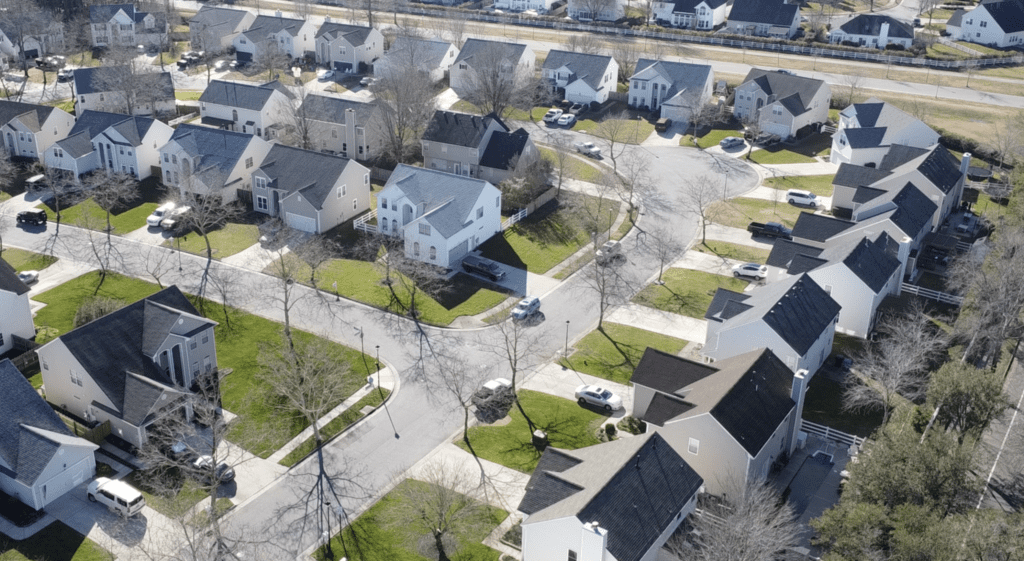
Housing Costs in Virginia Beach, Virginia
Housing Costs in Virginia Beach, Virginia
Housing is usually the first expense I discuss with anyone considering a move to Virginia Beach.
The city offers a variety of housing options, including condominiums, townhomes, established single-family neighborhoods, newer construction, and luxury waterfront properties.
But location makes a major difference in what you’ll pay.
How Much Does It Cost to Buy a Home in Virginia Beach?
According to Redfin, the median home sale price in Virginia Beach was approximately $443,258 in September 2026, representing a 9.4% increase compared with the same period the previous year.
That doesn’t mean every home costs $443,000. There are properties listed above and below that figure, and prices can differ dramatically based on location, condition, square footage, and property type.
For example:
Oceanfront and resort-area properties: Buyers may encounter higher prices, particularly for homes with water views, beach access, or desirable coastal locations.
Established inland neighborhoods: Areas such as Kempsville and portions of Salem offer different combinations of housing styles, lot sizes, and price points.
Newer developments: Communities with modern floor plans and amenities may come with higher purchase prices or homeowners association fees.
If you’re interested in the Oceanfront lifestyle, check out my guide to the Virginia Beach Boardwalk.
You can also explore homes currently for sale throughout Hampton Roads to see how current listings compare with the citywide median.
What Would a $400,000 Home Cost Per Month?
A home’s purchase price is only part of the equation.
Here’s an example of what buying a $400,000 home in Virginia Beach might look like.
| Expense | Illustrative amount |
|---|---|
| Home purchase price | $400,000 |
| Down payment (10%) | $40,000 |
| Mortgage amount | $360,000 |
| Monthly principal and interest | Approximately $2,395 |
| Estimated monthly general property tax | Approximately $323 |
| Principal, interest, and general property tax | Approximately $2,718/month |
Example assumes a 30-year fixed mortgage at a hypothetical 7.0% interest rate. This is a calculation example, not a current lender quote or financing offer. It excludes homeowners insurance, mortgage insurance, possible special-district taxes, HOA fees, maintenance, and utilities.
Depending on your financing and the property, your actual payment could be noticeably higher.
Also remember to budget for closing costs, moving expenses, and unexpected home repairs.
My advice is to establish a comfortable monthly housing budget before getting too attached to a particular home. Just because a lender approves a certain amount doesn’t automatically mean that payment fits your lifestyle.
Property Taxes in Virginia Beach
One expense buyers sometimes overlook is the property tax bill.
The City of Virginia Beach currently lists its general real estate tax rate at $0.97 per $100 of assessed value.
For a home assessed at $400,000, that works out to approximately:
$3,880 annually
$323 per month
Certain special service districts have additional tax rates, so it’s important to verify the actual tax liability of any home you’re considering.
You can review current rates through the Virginia Beach Real Estate Assessor’s Office.
Don’t Forget Homeowners and Flood Insurance
Living near the coast has advantages, but insurance is one area where it’s important to do your homework.
Standard homeowners insurance generally doesn’t cover flood damage. Some properties may also have insurance considerations related to wind exposure and storm risk.
Before purchasing a home, I recommend getting insurance quotes and reviewing the property’s flood-risk information.
The City of Virginia Beach provides an excellent floodplain management resource explaining flood zones and insurance considerations.
Even properties outside designated high-risk flood areas can experience flooding.
This is something I encourage buyers to investigate at the individual property level rather than assuming an entire neighborhood has the same risk.
How Much Does It Cost to Rent in Virginia Beach?
Not everyone relocating to Virginia Beach plans to purchase a home immediately.
In fact, renting first can make sense when you’re unfamiliar with the area, relocating for a temporary assignment, or simply trying to decide which neighborhood best fits your needs.
According to Zillow’s rental market data, the average rent in Virginia Beach was approximately $2,098 per month in September 2026.
Actual asking rents vary depending on the size, condition, location, and amenities of the property.
A smaller apartment farther from the Oceanfront may have a very different rental price from a larger single-family home or beachfront condominium.
When comparing rental properties, remember to ask about:
Utilities and internet
Parking fees
Pet deposits and monthly pet charges
Renter’s insurance
Lease terms and potential renewal increases
For a more detailed discussion, read my Renting vs. Buying in Virginia Beach guide.
My perspective: If you’re planning to stay in Hampton Roads for several years, it may be worth comparing the long-term costs of renting and buying. However, owning isn’t automatically the better financial decision. Your timeline, savings, financing costs, and maintenance responsibilities all matter.
Utilities and Monthly Household Bills in Virginia Beach
Utilities are another important part of your monthly budget, especially if you’re moving from a location with a different climate.
Virginia Beach experiences warm, humid summers and generally milder winters than many northern states. That means air conditioning can become a meaningful household expense during warmer months.
Electricity and Heating
Dominion Energy Virginia serves much of the region.
Your electricity bill depends on several factors, including your home’s square footage, insulation, HVAC efficiency, thermostat settings, and electricity usage.
Rather than relying on a citywide average, I recommend asking for recent utility bills when you’re seriously considering a particular home.
An older house with inefficient heating and cooling systems can have very different operating costs from a newer, energy-efficient property.
Water, Sewer, and Other City Services
Virginia Beach homeowners also need to plan for water, sewer, trash, stormwater, and wastewater treatment charges where applicable.
As of July 2026, the City lists the following rates:
| Service | Published rate |
|---|---|
| Water usage | $6.54 per 1,000 gallons |
| Water availability, 5/8-inch meter | $6.30/month |
| Residential single-family city sewer charge | $33.18/month |
For example, 5,000 gallons of monthly water usage would cost $32.70 for the water itself.
With the example meter-availability charge and city sewer charge, those three items would total approximately $72.18. However, this is not the entire city services bill.
Additional charges, including trash collection, stormwater, taxes, and separate HRSD wastewater treatment bills, may apply.
You can review the current Virginia Beach Public Utilities rates and fees.
The point is that homeowners should plan for more than just electricity and a basic water bill.

Moving To Hampton Roads Virginia?
Our team talks to so many people thinking about moving to Hampton Roads Virginia just like you and we absolutely love it! Click the button below or go ahead and shoot us a text by tapping this number: (757)-520-2092
Living Essentials in Virginia Beach

Grocery and Food Costs in Virginia Beach
What about everyday grocery shopping?
Virginia Beach has a broad selection of supermarkets, warehouse clubs, and specialty food stores, including national and regional chains. If you’re in the Military or retired Military, I suggest you take advantage of the savings offered at the many commissaries in the area.
Your actual food expenses will depend more on your household size, shopping preferences, and how often you dine out than on any single grocery-store price.
For a useful benchmark, MIT’s 2026 Living Wage Calculator estimates annual food expenses in Virginia Beach at approximately:
| Household | Estimated food expense |
|---|---|
| One adult, no children | $4,615/year |
| Two working adults, two children | $13,507/year |
That works out to roughly $385 per month for one adult and $1,126 per month for the example four-person household.
These are modeled basic-needs food budgets, not averages of what every local household actually spends.
Another helpful detail: Virginia’s general sales tax rate in Hampton Roads is 6%, while qualifying food and personal hygiene items are subject to a lower 1% statewide grocery tax.
You can find the details on the Virginia Department of Taxation website.
Dining out is also part of the lifestyle here, with everything from inexpensive casual meals to waterfront restaurants and upscale dining.
My suggestion is to separate grocery spending from restaurant and entertainment spending when you’re building a relocation budget. Take it from my experiences, while eating out in Virginia Beach offers you many choices, that can very quickly eat into your budget if you don’t have a set plan for it.
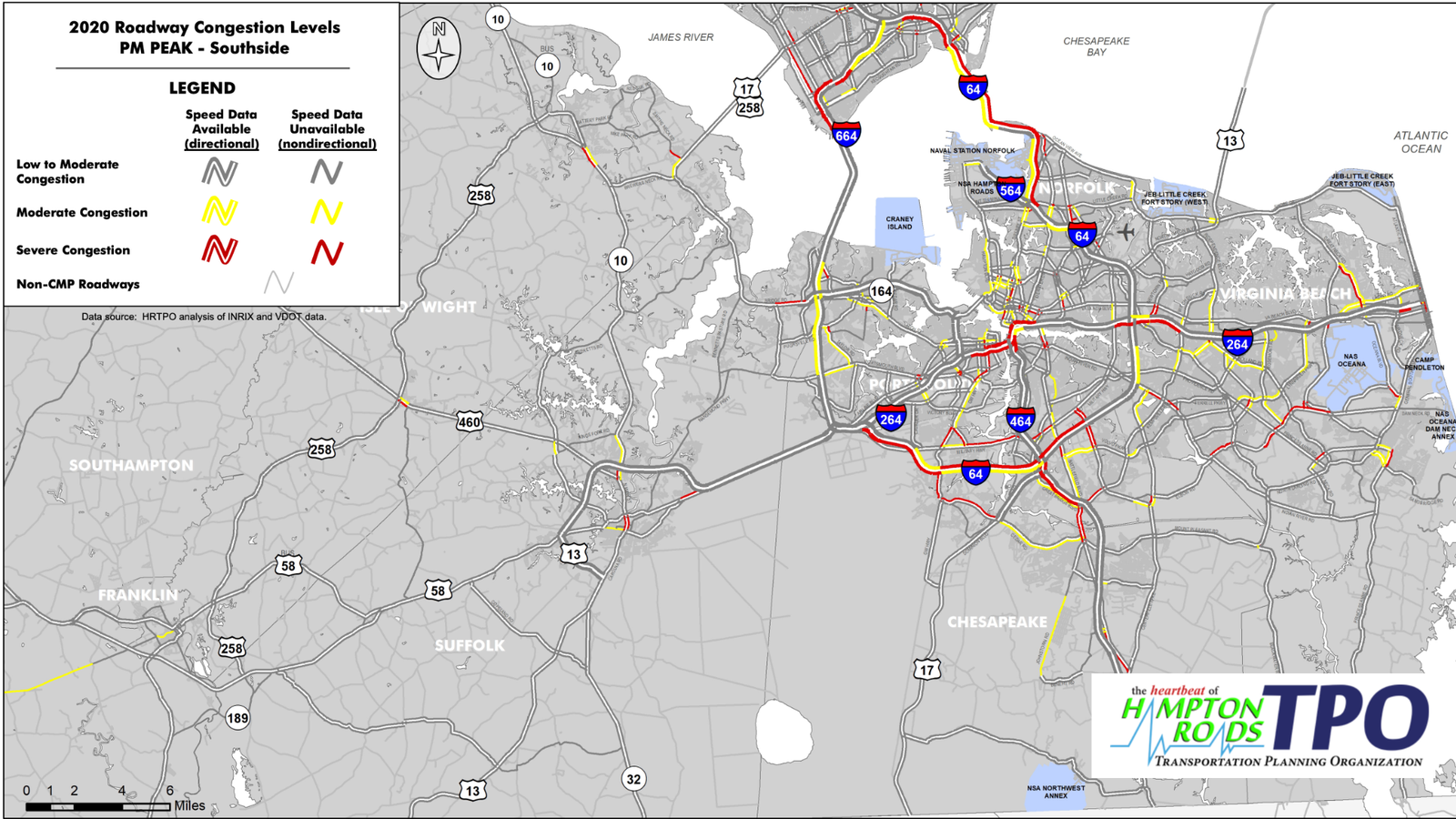
Transportation in Virginia Beach, Virginia
Transportation is another area where the cost of living can be easy to underestimate.
Virginia Beach covers a large geographic area, and many residents depend on personal vehicles for commuting, shopping, and daily activities.
If you’re moving here for work, I recommend evaluating your commute before deciding on a neighborhood.
A property that initially appears affordable may become less appealing when you consider fuel costs, vehicle maintenance, parking, and the time you spend commuting.
Major routes such as Interstate 264, Independence Boulevard, and Virginia Beach Boulevard play an important role in local travel.
Is Public Transportation Available?
Yes. Hampton Roads Transit operates public transportation throughout the region, including bus service in Virginia Beach.
In 2026, standard fares are $2 per ride, with daily fare spending capped at $4.50 through the GoMobile system.
However, public transportation doesn’t serve every neighborhood or employment destination equally well.
Virginia Beach also doesn’t have the same light-rail access available in portions of Norfolk. This has been discussed several times over the years, but each time it comes up for some type of vote, the residents have voted against it.
If you’re planning to rely on public transportation, look carefully at route availability, service frequency, and the distance between your home and workplace before signing a lease or purchasing property.

Healthcare in Virginia Beach
I notice healthcare services in Virginia Beach are robust, contributing positively to living standards. Sentara Healthcare is the hospital provider for the 3 hospitals in Virginia Beach. Medical care is accessible, with several hospitals and clinics offering services that are slightly higher than the average costs for healthcare in the United States.
Virginia Beach and the surrounding Hampton Roads region offer hospitals, urgent care centers, specialty medical practices, and other healthcare services.
Sentara operates a major healthcare network in the region, including hospitals in Virginia Beach.
You can research nearby facilities at Sentara Health.
The actual cost of healthcare will depend heavily on your insurance coverage, deductibles, prescriptions, and medical needs.
MIT’s local living-wage estimates also account for healthcare costs, which can be helpful when comparing different household budgets.
If you’re relocating, check whether your preferred healthcare providers are in-network before making the move.

Childcare Costs in Virginia Beach Virginia
Childcare can be one of the largest expenses for families with young children.
Although my own family has moved beyond the daycare years, I know how important it is for parents to plan for these expenses before relocating.
According to MIT’s 2026 estimates for Virginia Beach, a household with two working adults would need to budget approximately:
$11,622 per year for childcare with one child.
$23,002 per year for childcare with two children.
That’s roughly $969 or $1,917 per month, respectively.
These figures are planning estimates rather than guaranteed daycare prices. Actual costs can differ based on a child’s age, provider, schedule, and the type of care needed.
Before choosing a neighborhood, I’d recommend researching childcare availability near your home or workplace, since convenience and scheduling can be just as important as price.
Families should also consider after-school programs, summer camps, extracurricular activities, and transportation expenses.

How Much Money Do You Need to Live Comfortably in Virginia Beach?
Now let’s tackle what may be the most important question of all.
How much annual income do you need to live in Virginia Beach?
There isn’t one number that works for everyone.
A single adult renting a small apartment will have a very different budget from a family of four purchasing a home.
The MIT Living Wage Calculator for Virginia Beach, updated in February 2026, provides a useful starting point.
According to its estimates:
| Household situation | Estimated annual income before taxes |
|---|---|
| One working adult, no children | $55,223 |
| Two adults, one working, no children | $70,585 |
| Two working adults, two children | $118,838 combined |
These are estimated incomes needed to cover basic household expenses, not necessarily the incomes required for a more comfortable lifestyle with substantial savings, frequent travel, or discretionary spending.
For comparison, the U.S. Census Bureau reports median household income of $92,968 in Virginia Beach using its 2020–2024 estimates, expressed in 2024 dollars.
That Census figure and MIT’s 2026 living-wage estimates use different periods and methods, so they shouldn’t be treated as directly interchangeable.
My Personal Rule for Housing Affordability
One approach I’ve tried to follow personally is keeping housing payments around 25% of household income whenever possible.
That isn’t a universal financial rule, and it can be difficult to achieve depending on current home prices and interest rates.
But the principle behind it is important: avoid spending so much on housing that you can’t comfortably enjoy everything else life has to offer. You definitely don’t want to be “House Poor”, I unfortunately have had to learn that lesson the hard way!
When budgeting for a move to Virginia Beach, make sure there’s room for savings, retirement contributions, emergency expenses, and the activities you enjoy.
Is Virginia Beach More Expensive Than Chesapeake or Norfolk?
One of the great things about relocating to Hampton Roads is having multiple cities to consider within the same region.
Virginia Beach, Chesapeake, and Norfolk each offer different housing options, neighborhoods, amenities, and commuting considerations.
Instead of assuming one city is always cheaper, I encourage buyers to compare similar properties and calculate their total monthly costs.
Virginia Beach vs. Chesapeake
Chesapeake offers a mix of suburban communities, established neighborhoods, and newer developments.
Depending on where you work and the type of property you’re looking for, Chesapeake may be a worthwhile alternative to Virginia Beach.
However, housing costs vary considerably within both cities.
Read my Cost of Living in Chesapeake, Virginia guide to explore another option.
Virginia Beach vs. Norfolk
Norfolk provides a different living experience, with historic neighborhoods, urban residential areas, waterfront communities, and access to major employment centers.
Some buyers may prefer Norfolk’s housing options, while others may be drawn to Virginia Beach’s coastal and suburban lifestyle.
For more information, check out my Cost of Living in Norfolk, Virginia guide.
Ultimately, the right choice will depend on your priorities, commute, budget, and preferred type of home.
Three Local Costs People Sometimes Overlook
Beyond the regular monthly bills, there are a few important considerations that I believe deserve special attention when moving to Virginia Beach.
1. Flood Risk and Insurance
As we’ve discussed, proximity to the water can influence insurance needs.
Review flood-zone information and obtain property-specific insurance quotes before committing to a home.
2. Military Aircraft Noise
Virginia Beach is home to Naval Air Station Oceana and other military facilities.
Military aircraft operations are part of everyday life in some portions of the city. In my opinion it’s the SOUND OF FREEDOM!
That doesn’t automatically make a particular property undesirable, but it’s something to understand before buying.
The City provides information about Air Installation Compatible Use Zones (AICUZ), which can help you research aircraft-noise considerations.
Military families can also check out my guide to the Virginia Beach Navy bases.
3. Homeowners Association Fees and Maintenance
Condominiums and planned communities may have association fees that cover certain amenities, maintenance, or shared services.
Those fees can vary dramatically. In my experience it does seem that the closer you get to the Oceanfront, the higher the HOA costs are.
Always verify current dues, what they include, whether any special assessments are planned, and how those costs fit into your monthly budget.
What Do You Get for the Cost of Living in Virginia Beach?
So far, we’ve discussed expenses. But affordability isn’t just about how much money leaves your bank account.
It’s also about what you get in return.
Virginia Beach offers a lifestyle that can be difficult to duplicate in many inland communities.
There are beaches, waterways, parks, shopping destinations, entertainment venues, and outdoor activities throughout the city and surrounding Hampton Roads area.
And not everything requires an expensive admission ticket.
A walk along the Virginia Beach Boardwalk, time at a public beach, and visits to local parks can provide enjoyable ways to spend a day without a large entertainment budget, although parking or other fees may apply.
If you’re getting familiar with the area, take a look at my Virginia Beach Town Center guide and my 5 Best Day Trips from Hampton Roads.
These resources can give you a better picture of the activities and places you could enjoy while living here.
Frequently Asked Questions About Living in Virginia Beach
Is Virginia Beach a good place to live on a budget?
It can be, but choosing an appropriate housing option is especially important. Housing, transportation, and insurance are likely to have a much greater impact on your budget than small differences in everyday shopping expenses.
How much is the average rent in Virginia Beach?
Zillow reported average rent of approximately $2,098 per month in September 2026. Your actual rent will depend on property size, location, amenities, and lease terms.
How much are property taxes in Virginia Beach?
The general real estate tax rate is currently $0.97 per $100 of assessed value. A home assessed at $400,000 would generate approximately $3,880 in annual general real estate taxes, before any applicable special-district taxes or adjustments.
Do you need a car to live in Virginia Beach?
Not necessarily, but having a vehicle can make getting around much easier. Public transit is available, although access and convenience depend on where you live and work.
Is it cheaper to rent or buy in Virginia Beach?
That depends on the property, mortgage terms, down payment, length of stay, and other expenses. Renting can offer flexibility, while homeownership may provide more long-term stability and the opportunity to build equity. Neither option is automatically less expensive for everyone.
How much should I earn before moving to Virginia Beach?
MIT estimates that one working adult with no children needs approximately $55,223 in annual pre-tax income to meet basic expenses in Virginia Beach in 2026. A household with children or higher housing costs may require considerably more.

Final Thoughts: Is Virginia Beach Worth the Cost?
After looking at housing prices, rent, utilities, transportation, childcare, and other expenses, it’s clear that Virginia Beach isn’t necessarily an inexpensive place to call home.
But I also believe the city offers a lot in return.
For people who value access to the beach, outdoor recreation, neighborhood choices, and the broader Hampton Roads lifestyle, Virginia Beach can be a great place to live.
The important thing is finding a home and location that work for your budget rather than stretching your finances to live somewhere simply because it’s popular.
Whether you’re moving here for military orders, a new job, retirement, or a change of scenery, understanding the real cost of living before you relocate will help you make a more informed decision.
Thinking About Moving to Virginia Beach?
I’m DJ Parker, a Real Estate Agent with Wainwright Real Estate and the creator of Life in Hampton Roads VA.
I help people navigate the local real estate market and learn more about the different communities throughout Hampton Roads.
If you’re considering a move, I’d be happy to help you compare neighborhoods, explore available homes, and better understand what your housing budget can get you.
Ready to start exploring?
Search Homes for Sale in Hampton Roads, Virginia
Contact DJ Parker About Moving to Virginia Beach
You can also watch my local guides and community tours on the Life in Hampton Roads VA YouTube channel.
Cost figures reviewed October 2026. Housing market statistics, tax rates, and other expenses are subject to change. Mortgage calculations are illustrative and are not financing quotes.
If there is anything you think I missed or you have any questions about the city of Virginia Beach, please comment below or reach out to me here.
I hope you enjoyed reading this article. If you didn’t get a chance to watch the video, then you may have missed out on some extra tips about what it’s like to live in Virginia Beach, Virginia. Check out the video, and for more content, head over to our YouTube Channel, “LIFE IN HAMPTON ROADS”. Don’t forget to SUBSCRIBE!
CLICK ANY OF THE BUTTONS BELOW TO SHARE THIS ARTICLE TO YOUR SOCIAL MEDIA OR PRINT IT OUT IF YOU NEED TO.